

How itsu is building loyalty beyond the rewards
A loyalty app can encourage another visit, but what makes a customer keep choosing the same brand? For itsu, the answer combines meaningful rewards, personalised communication and the relationships built by teams in its shops.
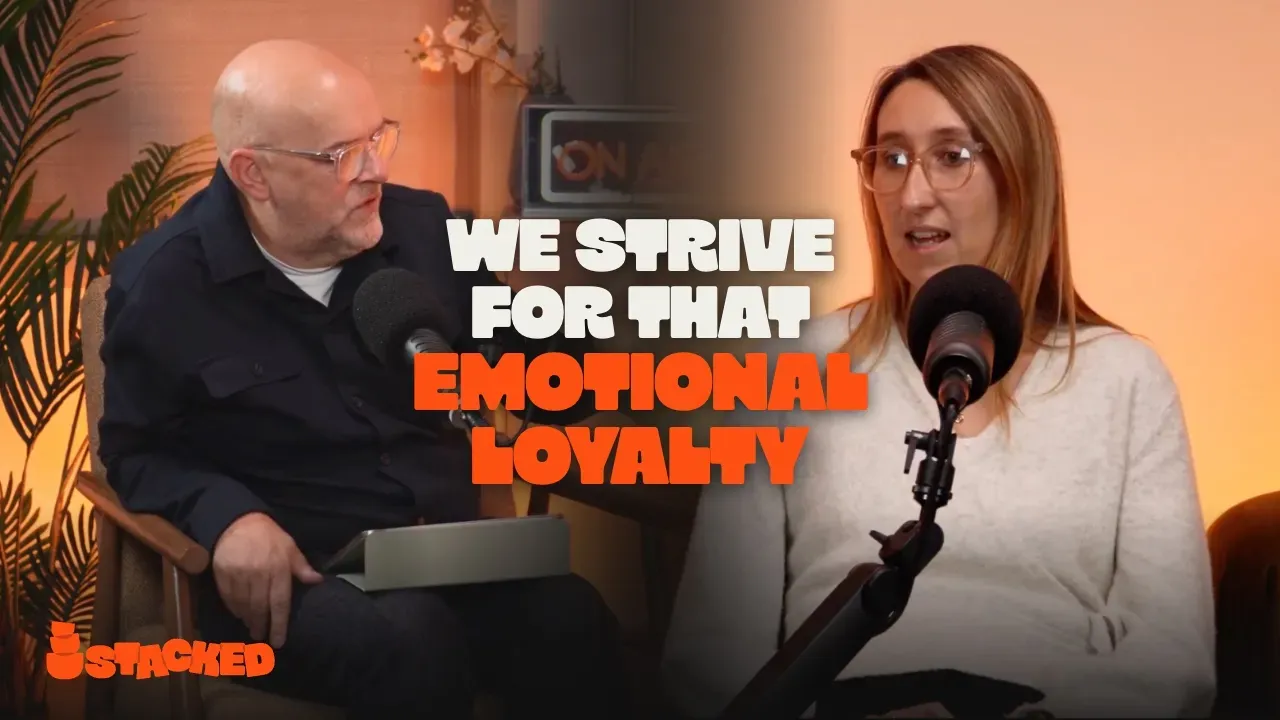
Speaking to Chris Fletcher of Stacked on Stacked, the Hospitality Tech Podcast, powered by Lightspeed, Katie Grundy, CRM & Loyalty Manager at itsu, shared how the business is developing its rewards programme and using technology to strengthen customer connections.
From listening to frontline feedback to collaborating with technology partners, her experience offers practical insights for hospitality operators looking to get more from their loyalty investment.
Building an emotional connection
Grundy distinguishes between transactional loyalty, where customers visit, earn rewards and return, and the emotional loyalty itsu ultimately wants to build.
Rewards provide a foundation, but relationships develop through the wider experience: interactions with employees, meals shared with family and the feeling that customer feedback matters.
“It’s the interaction with the team,” she explained. “When you go into a shop, it’s the experience of having your voice heard by us and having your feedback then turn into something that we do on the app.”
For Grundy, who previously worked in fashion and beauty, moving into hospitality has brought her closer to the people delivering that experience. Employees spend time working in shops, helping connect decisions made behind the scenes with the realities of a busy lunchtime service.
Reflecting on the contribution of shop teams, she said: “They’re doing the legwork, we’re just kind of keeping the momentum going behind the scenes, really.”
Listening to customers and shop teams
A review of itsu’s loyalty programme in 2025 revealed a gap between its most frequent users and customers who had downloaded the app but rarely used it.
Customer surveys helped explain why. Some rewards were less appealing than others, while shop teams needed a stronger proposition to encourage customers to sign up.
The business brought those perspectives together with its performance data to develop a more generous programme.
“We took all those things on board, modelled out a few scenarios and landed on this more generous scheme that we have now,” Grundy said.
The changes also addressed a basic communication challenge: making the app’s purpose immediately clear. Renaming it itsu Rewards gave customers and employees a simpler starting point, supported by the tagline “the more you itsu, the more we give you”.
As Grundy explained, the aim was “making it clear to the customer what the value exchange is, the more you come, the more you get”.
The revised programme introduced rewards at different stages, building towards a free meal, alongside app-exclusive pricing and other benefits. This gave shop teams a more compelling offer to explain during everyday customer conversations.
Turning downloads into repeat visits
A July acquisition campaign offering free gyoza to customers who downloaded the app demonstrated the appeal of a clear, accessible reward.
The promotion exceeded expectations, drove footfall into shops and generated attention from influencers.
“We were number one in the food and drink category in the app store,” Grundy recalled.
However, acquiring users is only part of the task. Keeping them engaged requires continued work on customer relationship management, relevant messaging and the experience after sign-up.
During the interview, Grundy confirmed that loyalty members visited three times as often as non-loyalty customers, while explaining that the business had invested significant effort in developing the scheme.
That repeat custom is particularly valuable in a sector exposed to fluctuations in footfall. Despite factors such as weather and train strikes, she observed: “Our app customers just keep coming back.”
itsu also takes a personal approach to relationships with its most engaged customers. Grundy described how its customer services manager calls customers to ask about their experience in a shop, adding another human connection alongside digital communication.
Making personalisation practical
Personalisation remains a work in progress, particularly within a small team.
“I think we still have a way to go,” Grundy said. “Obviously we’re a lean team and you know we’ve got great tools but you know there’s still an element of manualness to personalisation.”
One of the biggest lessons has been the diversity of itsu’s customer base. A city worker buying lunch and a family visiting a suburban shop may love the same brand while having very different habits and expectations.
Understanding those differences helps the business make its communications more relevant. Breakfast provides one example: customers already buying breakfast need a different message from those who do not yet know the offer exists.
The business has also developed customer personas, linking them to familiar examples within its own team to help colleagues understand the different audiences they serve.
Looking ahead, Grundy would like personalisation to extend further into the ordering experience. She described the possibility of customers scanning their app at a kiosk and seeing a menu tailored to their preferences.
For now, the opportunity lies in continuing to learn from customer data and applying those insights to everyday communication.
Bringing technology partners into the strategy
itsu works with Pepper on its branded app, with the relationship extending beyond day-to-day support into planning future developments.
“We work very closely with the guys at Pepper and they really do try hard to make things work for us or find a solution if they don’t have one already,” Grundy said.
A key part of that relationship is involving the supplier early in discussions about itsu’s plans.
“We try and be collaborative with them in terms of bringing them on board with our strategy really early on.”
Sharing priorities gives both businesses an opportunity to explore how their development plans can align. Fletcher highlighted the value of operators taking an active role in these conversations, using their own business objectives to help shape the direction of the technology.
Using AI to support a lean team
AI is also beginning to influence Grundy’s role, including helping identify opportunities within customer data.
She highlighted the potential of “using AI to sort of recommend ways to use your data that perhaps we wouldn’t think of”.
For a lean team, the immediate benefit is the ability to work more efficiently and make better use of the information available.
“As I say, we’re a lean team, so it makes things much more efficient,” she said.
Throughout the conversation, that practical approach to technology sat alongside a consistent focus on people. More relevant communication, stronger rewards and better tools all support the relationships customers build with the brand and its shop teams.
Interview by Chris Fletcher of Stacked, featuring Katie Grundy, CRM & Loyalty Manager at itsu, for Stacked, the Hospitality Tech Podcast. The podcast is powered by sponsor Lightspeed.